
Land Lease Communities vs Retirement Villages: What's the Difference and Which Option Is Right for You?
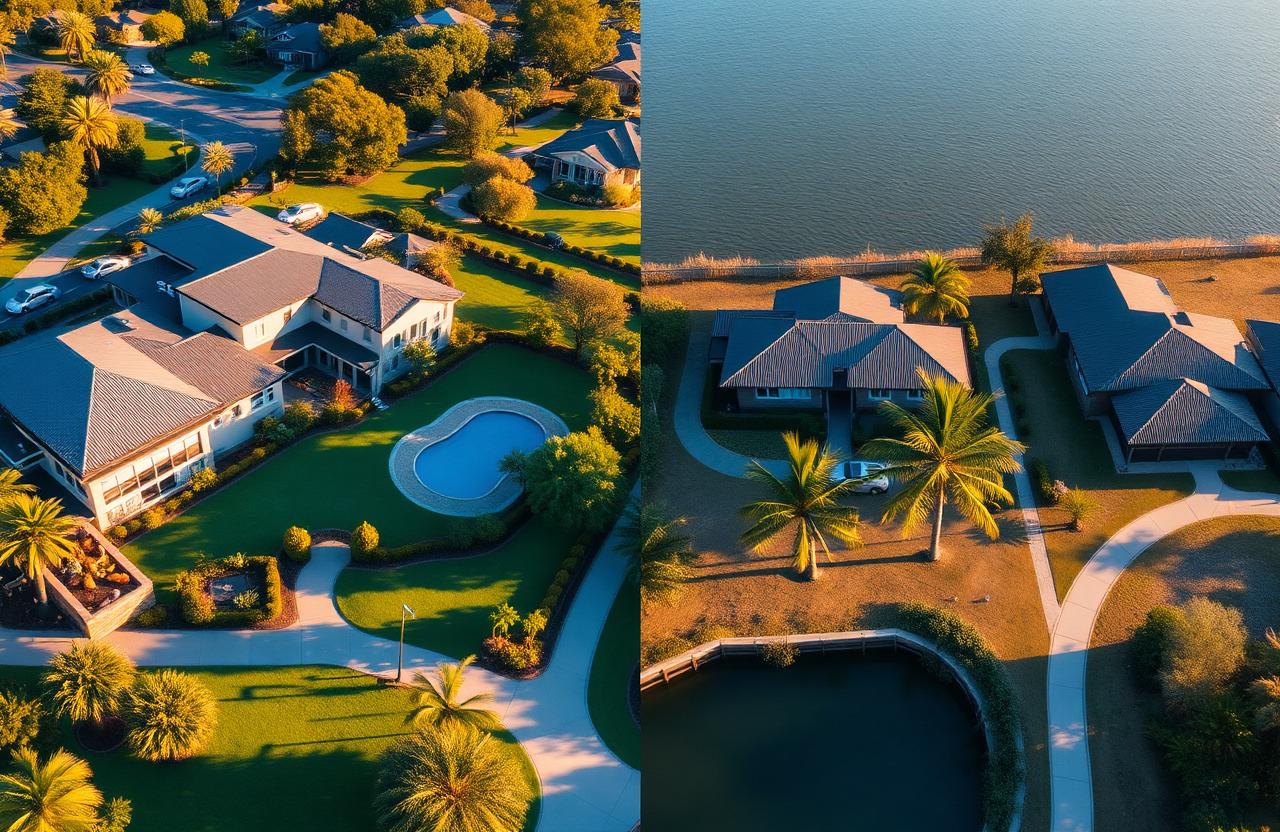
Land lease communities and retirement villages are often mentioned in the same conversation, and from the outside they can look almost identical — single-storey homes, well-kept gardens, a community centre, residents in a similar stage of life. But they are two very different legal and financial structures, regulated by different laws and built on different assumptions about ownership, cost and lifestyle.
Many Australian families only discover the differences after they have toured a community, fallen in love with a home, and started reading the contract. This guide is written to help you understand both options well before that point — in plain English, without favouring either model, and without recommending any specific operator or developer.
Why the Confusion Exists
Both options market themselves to older Australians who want to downsize, simplify their lives and live among people in a similar stage of life. The brochures look similar. The homes look similar. Even the words used — community, lifestyle, independent living, over-55s — overlap heavily.
The difference sits in the legal structure: what you own, what you pay, what laws protect you, and what happens when you leave. Those are the things that determine whether a community is the right financial and lifestyle fit, and they are almost impossible to judge from a site tour alone.
What Is a Retirement Village?
A retirement village in Australia is a community of independent homes or apartments designed for people generally aged 55 and over, governed by each state and territory's Retirement Villages Act. The legislation sets out disclosure rules, contract requirements, cooling-off periods, dispute resolution and refund timeframes.
Ownership and contracts
Most retirement village residents do not buy a freehold title. The most common arrangements are a loan-licence or leasehold contract giving you the right to occupy a specific home, and in some cases a strata or community title arrangement. The contract — not the building — defines what you actually own.
Deferred management fees
The defining feature of most retirement village contracts is the deferred management fee (DMF), a percentage of either the entry or resale price that accrues for each year of residency, usually capped at 25% to 40%. The DMF is paid when you leave, and is typically the largest single cost of the whole arrangement. We cover this in detail in our guide to deferred management fees.
Service fees and support
Residents also pay an ongoing service fee that covers gardening, management, insurance, shared utilities and amenities. Some villages offer additional support services — emergency call systems, wellness programs, on-site coordinators — and a small number have co-located residential aged care. Care is not automatic; it depends on the village.
What Is a Land Lease Community?
A land lease community (sometimes called a residential land lease community, lifestyle community or manufactured home estate) is a community where residents own their home but lease the land it sits on from a community operator under a long-term site agreement.
Ownership and site fees
You buy the home outright — usually a purpose-built single-storey home — and pay weekly or fortnightly site fees for the use of the land and the shared facilities. Site fees continue for as long as you live there and typically rise each year in line with the agreement (often CPI or a fixed formula).
Legislation
Land lease communities are generally not covered by the Retirement Villages Act. They are regulated under separate state laws — for example, the Residential (Land Lease) Communities Act in New South Wales, the Residential Tenancies Act in Victoria, or the Manufactured Homes (Residential Parks) Act in Queensland. These laws cover site agreements, fee increases, dispute resolution and selling your home.
Lifestyle focus and Rent Assistance
Land lease communities tend to position themselves as lifestyle communities rather than care communities. Many residents are in their 50s, 60s and early 70s, still working part-time or recently retired, and looking for low-maintenance living with strong social facilities. Because site fees are treated as rent, eligible age pensioners can often claim Commonwealth Rent Assistance, which materially reduces ongoing costs.
Side-by-Side Comparison
The table below summarises how the two models typically compare. Individual contracts vary, so always check the specific agreement in front of you.
| Feature | Retirement Village | Land Lease Community |
|---|---|---|
| Ownership | Right to occupy under a loan-licence, lease or strata title — rarely freehold | You own the home; the land is leased from the operator |
| Contract type | Retirement village contract under the state Retirement Villages Act | Site agreement under residential land lease or manufactured homes legislation |
| Entry cost | Generally higher — comparable to a smaller home in the area | Generally lower — you only buy the home, not the land |
| Ongoing fees | Service fee covering shared costs; typically reviewed annually | Weekly or fortnightly site fees; typically rise with CPI or a set formula |
| Deferred management fee | Common — typically 3–6% per year, capped at 25–40% | Usually none, though some operators charge a sale or admin fee |
| Capital gain | Depends on contract — may be retained, shared, or returned at entry price only | Homeowner usually keeps 100% of any gain on the home |
| Government rent assistance | Generally not available | Often available to eligible age pensioners |
| Legislation | State Retirement Villages Act | State residential land lease or manufactured homes Act |
| Age requirements | Usually 55+ (sometimes 65+ for specific homes) | Usually over-50s or over-55s; varies by community |
| Care and support | Sometimes — emergency call, wellness, occasional co-located aged care | Rarely — lifestyle focus rather than care focus |
| Exit process | Usually via operator resale; state-specific buyback or refund timeframes apply | Sell the home on the open market; site fees continue until it sells |
| Flexibility | Tighter rules on subletting, renovations, pets | Generally more flexible, subject to community rules |
Pros and Cons
Retirement village — pros
- Strong consumer protection under the state Retirement Villages Act
- Disclosure documents required before signing
- Shared facilities and on-site management typically included
- Some villages offer wellness, emergency call or co-located aged care
- Lower ongoing service fees in some villages because long-term costs are funded by the DMF
Retirement village — cons
- Deferred management fee can be the largest single cost over time
- Capital gain may be shared with or retained by the operator
- Exit refunds can take months or longer depending on resale and state law
- Contracts are complex and require legal review
- Generally not eligible for Commonwealth Rent Assistance
Land lease community — pros
- You own the home outright
- No deferred management fee in most communities
- Homeowner usually keeps 100% of any capital gain
- Many eligible pensioners qualify for Commonwealth Rent Assistance
- Often a more flexible, lifestyle-focused community
Land lease community — cons
- Site fees continue for life and typically rise each year
- Less consumer protection than under the Retirement Villages Act in some states
- On-site care and support services are usually limited
- You bear the resale risk — site fees continue until the home sells
- Operator can change community rules within the limits of the legislation
Questions to Ask Before You Decide
Whichever model you are considering, the same core questions apply. Take this list with you to every tour and contract meeting:
- What type of contract or site agreement am I signing, and which Act governs it?
- What are the total upfront costs, including stamp duty, legal fees and any establishment charges?
- What ongoing fees will I pay, how often are they reviewed, and what is the historical rate of increase?
- Is there a deferred management fee or any exit-related fee, and how is it calculated?
- Who keeps the capital gain if the home rises in value?
- How does the exit process work, and how long does a refund or sale typically take?
- What happens if my care needs change or I need to move into residential aged care?
- What support services are available on site, and which are additional cost?
- Am I likely to be eligible for Commonwealth Rent Assistance in this community?
- How are disputes between residents and the operator handled?
- Can I see the last three years of fee increases and the most recent budget?
Common Misunderstandings
1. "They're basically the same thing."
They are not. The ownership structure, legislation, fee model and exit arrangements are fundamentally different. Two communities that look identical on a site visit can have very different long-term financial outcomes.
2. "Land lease communities are always cheaper."
Lower entry costs and Rent Assistance often make them cheaper in early years, but ongoing site fees continue for life and rise each year. Over 15 to 20 years the total cost picture depends on entry price, fee escalation, length of stay and the home's resale value.
3. "You own your home in both."
In a land lease community you own the dwelling. In most retirement villages you own a right to occupy — not the building itself. That distinction matters for capital gain, inheritance and refinancing.
4. "Exit arrangements work the same everywhere."
Refund and resale rules differ between states and between contracts. Some states require retirement village operators to refund within a set period whether or not the home has resold; land lease residents are usually responsible for their own sale process. Always check the rules in your state.
5. "Care is included."
Neither model is residential aged care. Some retirement villages have wellness or emergency call services; a small number have co-located aged care. Land lease communities rarely offer formal care. If your care needs are likely to change soon, read our guide on retirement village vs home care.
Who Might Prefer Each Option?
There is no universally better option — only a better fit for your circumstances. Broadly, the following patterns are common in practice.
People who often prefer a retirement village
- Want a community with on-site management, shared amenities and a stronger care pathway
- Are comfortable with a deferred fee structure in exchange for lower upfront and ongoing costs
- Value the protections of the Retirement Villages Act in their state
- Are planning for a longer-term, single move that may extend into greater support needs
People who often prefer a land lease community
- Want to own their home outright and keep any capital gain
- Prefer lower entry costs and are comfortable with ongoing site fees
- Are eligible for Commonwealth Rent Assistance and want to use it
- Are still active, lifestyle-focused and not yet planning for significant care
These are general patterns, not rules. Plenty of active 60-year-olds choose retirement villages, and plenty of older residents thrive in land lease communities. The decision should follow the contract, the numbers and the lifestyle — not the label.
Final Thoughts
Choosing between a land lease community and a retirement village is not a choice between good and bad — it is a choice between two well-established models with very different legal structures, fee mechanics and lifestyle assumptions. The right answer depends on your finances, your stage of life, your care outlook and your appetite for ongoing fees versus a deferred fee at exit.
Before signing anything, read the full contract or site agreement, model the total cost over the likely length of stay (not just the entry price), and get independent legal and financial advice. Recognising the signs that it may be time to consider retirement living, and starting the conversation early, almost always leads to a better outcome than waiting for a crisis. If you'd like help framing that discussion with family, our guide on starting the conversation with your parents is a good place to begin.
Retirement Living Navigator does not sell, recommend or receive commissions from any retirement village or land lease community. Our role is to help families understand the options clearly, ask the right questions, and make a decision they can live with — financially, practically and emotionally.
Frequently asked questions
- What is the main difference between a land lease community and a retirement village in Australia?
- In a retirement village you typically buy a right to occupy a home under the state's Retirement Villages Act, and pay a deferred management fee when you leave. In a land lease community you own the home itself but lease the land it sits on, paying ongoing site fees and (for eligible residents) often claiming Commonwealth Rent Assistance. The legal framework, fee model and exit arrangements are completely different.
- Do you own your home in a land lease community?
- Yes. In a land lease community you own the dwelling (the home) but you do not own the land underneath it. The land is leased from the community operator under a long-term site agreement, and you pay weekly or fortnightly site fees for the use of the land and shared facilities.
- Is a land lease community cheaper than a retirement village?
- Not always. Land lease communities usually have lower entry costs and no deferred management fee, but site fees continue for life and generally rise each year. Retirement villages often have higher entry costs and a DMF, but ongoing service fees can be lower. The cheaper option depends on how long you live there, the home's resale value, and your eligibility for Commonwealth Rent Assistance.
- Are land lease communities covered by the Retirement Villages Act?
- Generally no. Land lease communities are usually regulated under residential tenancies or manufactured homes legislation in each state (for example, the Residential (Land Lease) Communities Act in NSW or the Residential Tenancies Act in Victoria). Retirement villages are regulated under each state's Retirement Villages Act. The protections, disclosure requirements and dispute resolution processes are different.
- Can you receive Commonwealth Rent Assistance in a land lease community?
- Often yes. Because residents pay site fees (treated as rent) rather than owning the land, many age pensioners in land lease communities qualify for Commonwealth Rent Assistance, which can significantly reduce ongoing costs. Eligibility depends on individual circumstances and should be confirmed with Services Australia.
- Do land lease communities have deferred management fees?
- Most do not. The standard land lease model relies on ongoing site fees rather than a deferred fee at exit. Some operators do charge a sale or administration fee when you sell your home, so it is important to read the site agreement carefully and ask whether any exit fee, commission or share of capital gain applies.
- Who keeps the capital gain when the home is sold?
- In a land lease community the homeowner usually keeps 100% of any capital gain on the home, because you own the dwelling. In a retirement village it depends entirely on the contract — some return all capital gain to the resident, some share it with the operator, and some return only the original purchase price.
- What happens if I need to move into residential aged care later?
- In both options you can sell the home or end the agreement, but the process and timing differ. Land lease residents typically sell their home on the open market and continue paying site fees until it sells. Retirement village residents usually rely on the operator's resale process and may face state-specific buyback or refund timeframes. Plan for the transition before you sign, not after.
Need independent guidance before making a retirement living decision?
If you're feeling overwhelmed by retirement village options, fees, contracts, or family decisions, a 90-minute Retirement Living Clarity Session can help you understand your options and feel more confident about the next step. Ongoing Transition Support is also available if you'd like help beyond a single conversation.
Not sure what you need yet? You're welcome to request a complimentary 15-minute introductory call — a short, no-obligation conversation about where you're at.