
Independent Living Units Explained
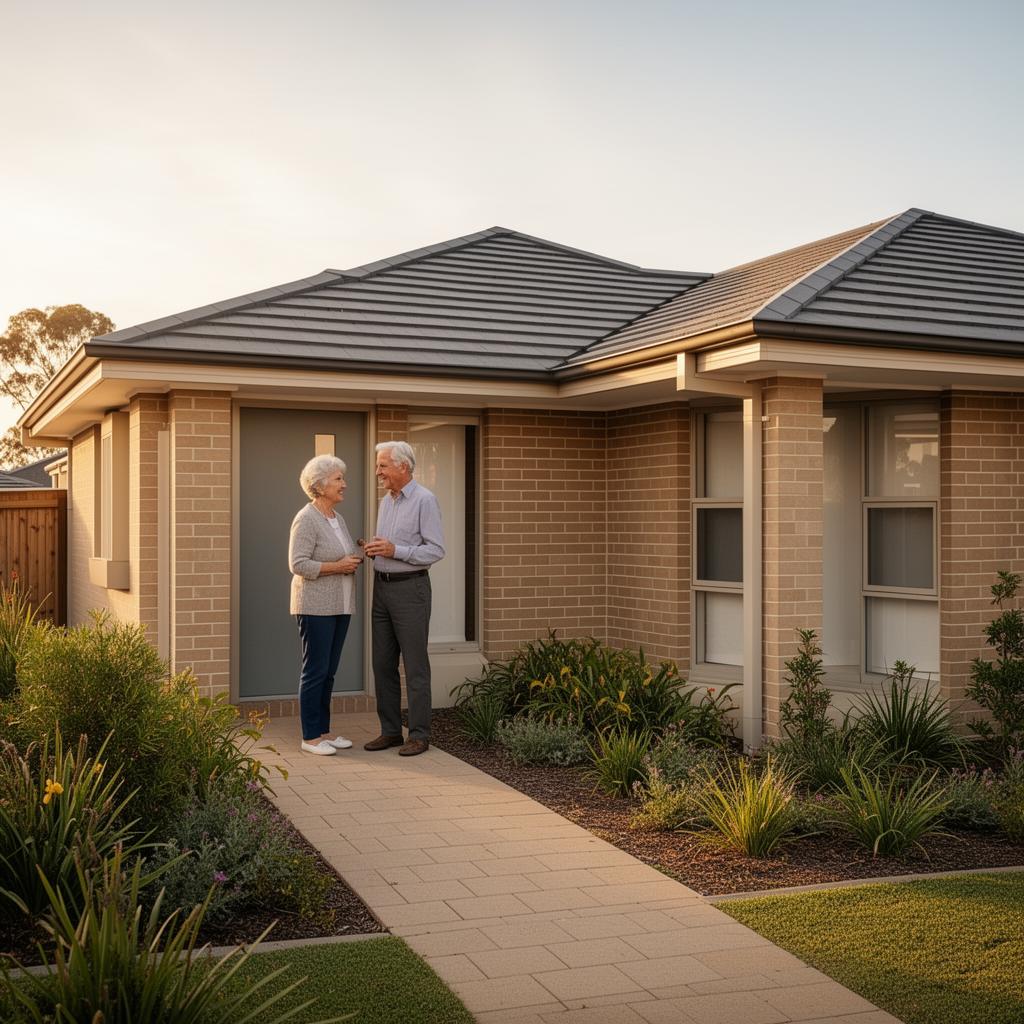
If you've been exploring retirement living options in Australia, you've probably come across the term Independent Living Unit — often shortened to ILU. It's one of the most common types of housing for older Australians, but it's also one of the most misunderstood.
Many families assume an Independent Living Unit is the same as a retirement village, an over-55s community, or even a low-level aged care option. In reality, ILUs sit in their own category, and understanding how they work can make a significant difference when planning the next stage of life.
This guide explains what Independent Living Units are, who they're designed for, how they differ from other options, and what to think about before signing anything.
What Is an Independent Living Unit?
An Independent Living Unit is a self-contained home designed for older adults who are still living independently. ILUs are typically:
- single-storey villas, townhouses, or apartments
- low-maintenance, with smaller gardens or shared landscaping
- purpose-built with features like step-free entries, wider doorways, and accessible bathrooms
- located within a broader retirement community, a not-for-profit village, or a smaller stand-alone group of units
Residents live in their own home, cook their own meals, come and go as they please, and manage their own day-to-day lives. ILUs are not aged care — personal care is not included as part of the housing, and while some villages may have a nurse available, very few offer onsite nursing as standard.
What ILUs offer is a simpler, safer, and often more social way to live in later life, without the upkeep of a large family home.
Who Are Independent Living Units Designed For?
Independent Living Units are generally suited to older Australians who:
- are still independent and managing well at home
- want to downsize from a larger property
- would like less garden, maintenance, and household upkeep
- value the security and community of living near others their age
- want to plan ahead before any health or mobility issues arise
Many residents move into an ILU in their late 60s, 70s, or early 80s — often after the loss of a partner, a fall, a health scare, or simply a desire to simplify life while they still have the energy to enjoy the move.
How Independent Living Units Differ from Other Options
One of the most common questions families ask is: how is an ILU different from a retirement village, an over-55s community, or aged care? Here's a simple way to think about it.
ILU vs Retirement Village
In Australia, the term "retirement village" usually refers to a community of homes — most of which are Independent Living Units — operated under a Retirement Villages Act in each state. So in practice, most ILUs sit inside a retirement village, but not all ILUs do. Some are operated by not-for-profits, churches, or local councils as small stand-alone groups of units without the larger village amenities.
The key takeaway: "retirement village" describes the community and legal structure; "Independent Living Unit" describes the type of home you live in.
ILU vs Over-55s or Land-Lease Communities
Over-55s and land-lease communities can look very similar to ILUs, but they're usually governed by different legislation (such as residential tenancies or manufactured home laws), have different fee structures, and don't always include the same shared facilities or future care pathways. The contract type matters more than the marketing label.
ILU vs Aged Care
Residential aged care is for people who need daily personal or nursing care and can no longer live independently. An ILU is the opposite end of the spectrum — it's for people who are still independent. Some larger providers offer both on the same site, which can make a future transition easier if care needs change.
What's Usually Included
What's included with an ILU varies enormously between providers. Common inclusions are:
- exterior maintenance and gardening of common areas
- building insurance
- access to a community centre, gardens, or recreational spaces
- social activities and resident events
- emergency call systems in some units
- village management and on-site staff during business hours
What's typically not included is personal care, nursing, meals, cleaning inside the unit, or transport — although these can often be added through a Home Care Package, Support at Home, or private services if and when needed.
How the Costs Work
This is the area where families most often feel confused, and understandably so. ILU pricing is rarely a simple purchase price like buying a regular home. Most ILUs involve three layers of cost:
1. Entry Cost
Often called an ingoing contribution, loan, or purchase price, this is what you pay to move in. Depending on the contract type, you may receive a strata title, a leasehold, a licence to occupy, or a loan-lease arrangement. The legal structure affects who actually owns the unit.
2. Ongoing Fees
Most villages charge a regular fee (sometimes called a service fee, general services charge, or maintenance fee) to cover communal costs such as gardening, insurance, management, and shared facilities. This is on top of your own utilities and contents insurance.
3. Exit Fees and Departure Costs
When you leave the ILU, there is often a deferred management fee (sometimes called an exit fee), plus possible refurbishment costs and sales commissions. These can significantly reduce the amount returned to you or your estate.
Contracts and Legal Structures
Independent Living Units can be offered under several different contract types, including:
- strata or community title (you own the unit)
- leasehold or licence to occupy (you have the right to live there, but don't own it)
- loan-lease arrangements (you pay an ingoing contribution that's partially refunded later)
- rental ILUs, often run by not-for-profits, with subsidised rent for eligible residents
Each structure has different implications for ownership, capital gain, exit fees, and what happens if your circumstances change. Independent legal advice from a solicitor experienced in retirement village contracts is strongly recommended before signing anything.
What Happens If Care Needs Change?
ILUs are designed for independent living, but life doesn't always stay still. Many residents start needing some support over time, whether that's help with cleaning, showering, medication, or mobility.
The good news is that residents of an ILU can usually:
- access a Home Care Package or Support at Home in their unit
- arrange private cleaning, personal care, or nursing
- use allied health services such as physiotherapy or podiatry at home
If care needs increase significantly, a move to residential aged care may eventually be appropriate. Some villages are co-located with aged care, which can make this transition smoother. Others have no on-site care option, which is worth understanding upfront.
Practical Example
Consider Margaret, 74, who lives alone in a four-bedroom home after her husband passed away. The garden has become too much, the stairs feel less safe, and the house feels too quiet. Margaret isn't ready for aged care — she's still driving, cooking, and active — but she'd like somewhere smaller, safer, and more sociable.
An ILU within a local retirement village offers her a two-bedroom villa, a community centre with weekly activities, and neighbours close by. A few years later, when she needs some help with showering and housework, she arranges a Home Care Package, which is delivered to her in her unit. Her ILU continues to be her home.
This is one of the most common pathways families don't realise is possible.
Questions Worth Asking Before You Move In
Before committing to an Independent Living Unit, take time to ask the operator clear, calm questions, including:
- What type of contract and legal structure am I entering into?
- What are the entry, ongoing, and exit costs over a realistic timeframe (5, 10, 15 years)?
- What's included in the ongoing fees, and what isn't?
- What happens if I need care in the future — can I receive home care in this unit?
- Is there aged care on site, or a pathway to a nearby facility?
- What happens if my circumstances change and I need to leave early?
- How is the unit refurbished and resold when I leave, and how does that affect my refund?
Bringing It Together
Independent Living Units can be an excellent option for older Australians who want to keep their independence while reducing the burden of maintaining a larger home. They offer privacy, community, security, and — in many cases — a clear pathway to support if needs change over time.
But the contracts, fees, and long-term implications are not always easy to compare. Taking the time to understand how ILUs work, asking the right questions, and getting independent advice can make a significant difference to how confident you and your family feel about the decision.
Need independent guidance before making a retirement living decision?
If you're feeling overwhelmed by retirement village options, fees, contracts, or family decisions, a 90-minute Retirement Living Clarity Session can help you understand your options and feel more confident about the next step. Ongoing Transition Support is also available if you'd like help beyond a single conversation.
Not sure what you need yet? You're welcome to request a complimentary 15-minute introductory call — a short, no-obligation conversation about where you're at.